Adventure can mean mountains, wildlife, culture, water, remote landscapes, or simply going somewhere unfamiliar with the logistics handled well.
Looking to book it yourself? Here's a short list of good options for adventure travel:
- Viator — Guided tours, outdoor excursions, and local adventure experiences.
- Exoticca — Packaged guided and self-guided trips that can combine flights, hotels, transfers, tours, and local experiences.
Want Brian's take before you book? Just ask — he's happy to weigh in beforehand.
Paradox may earn a commission if you book through these links, at no extra cost to you.
Independent or guided
Some travelers want freedom. Others want transportation, expertise, and someone else remembering which road leads back.
Active or immersive
A trip can be physically demanding, culturally deep, scenic, wildlife-focused, or a practical mixture.
Comfort still matters
The route, lodging, recovery time, and transportation should support the experience rather than sabotage it.
- Guided small-group tours
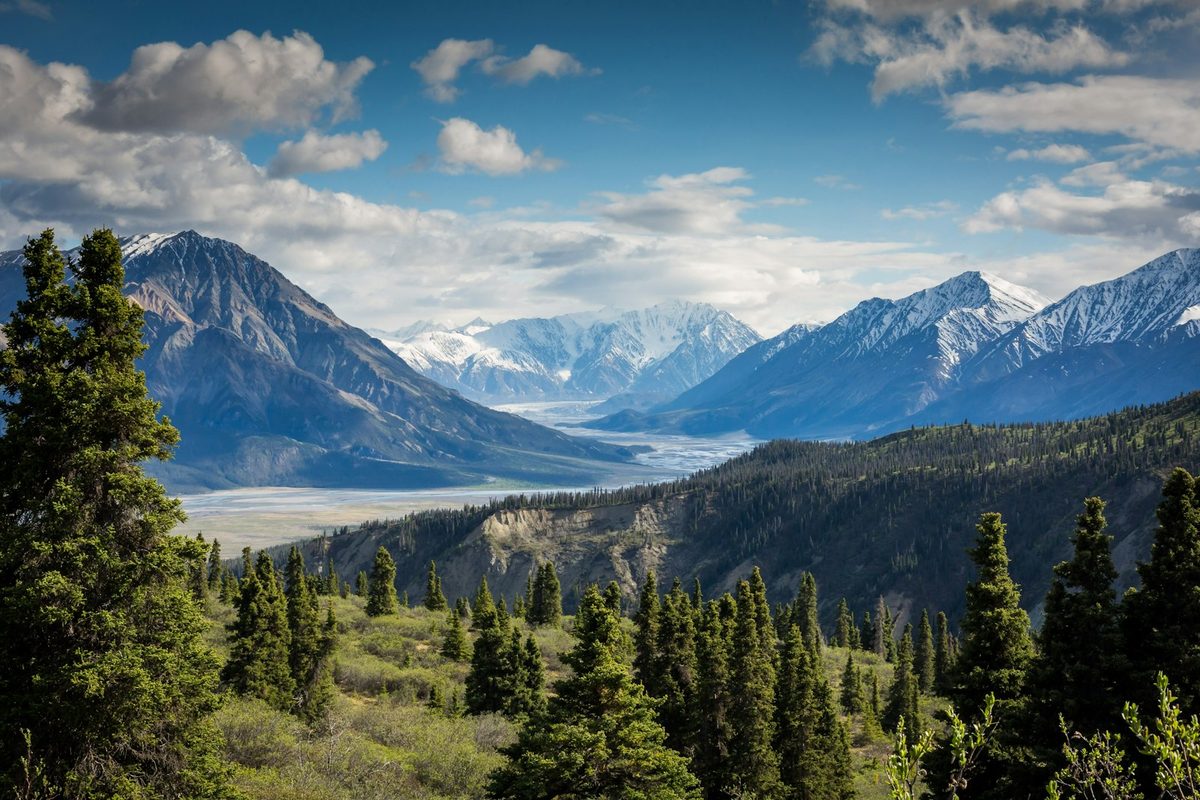
- Hiking and scenic landscapes
- Wildlife and nature travel
- Cultural itineraries
- Water-based excursions
- Remote or unusual destinations
A trip can push the comfort zone without making everyone regret owning knees.
The right trip matches challenge, support, pace, and recovery. Nobody gets bonus points for pretending a sunrise hike is relaxing.
Comfort-led — Scenic, supported, spacious
Immersion with gentler pacing, reliable logistics, and a good bed waiting.
Balanced — Active days, easier edges
A rewarding challenge with smart transfers, guides, and recovery built in.
Challenge-led — More effort, more story
Higher activity, purposeful discomfort, and support where it counts.
Share the pace, interests, and limits.
Include activity preferences, comfort expectations, destination ideas, budget, and any mobility considerations.